







Why Mercury Dental Fillings Still Exist — And Why It Matters
TL;DR
Mercury dental fillings, also known as amalgam or silver fillings, are still used today mainly because they are low-cost and often covered by certain insurance plans and public healthcare systems. While some organizations continue to consider them safe, growing concerns about mercury exposure, environmental impact, and patient choice are driving a shift toward mercury-free alternatives like composite and ceramic fillings.
Quick Answer: Why Are Mercury Fillings Still Used?
Mercury fillings are still used primarily because they are one of the least expensive restorative materials and are often the default option covered by certain insurance plans or public healthcare systems. Even though mercury-free alternatives are widely available, not all patients are given the same access to those materials.
Many people assume mercury-based dental fillings disappeared years ago—but they are still used in certain parts of the healthcare system today.
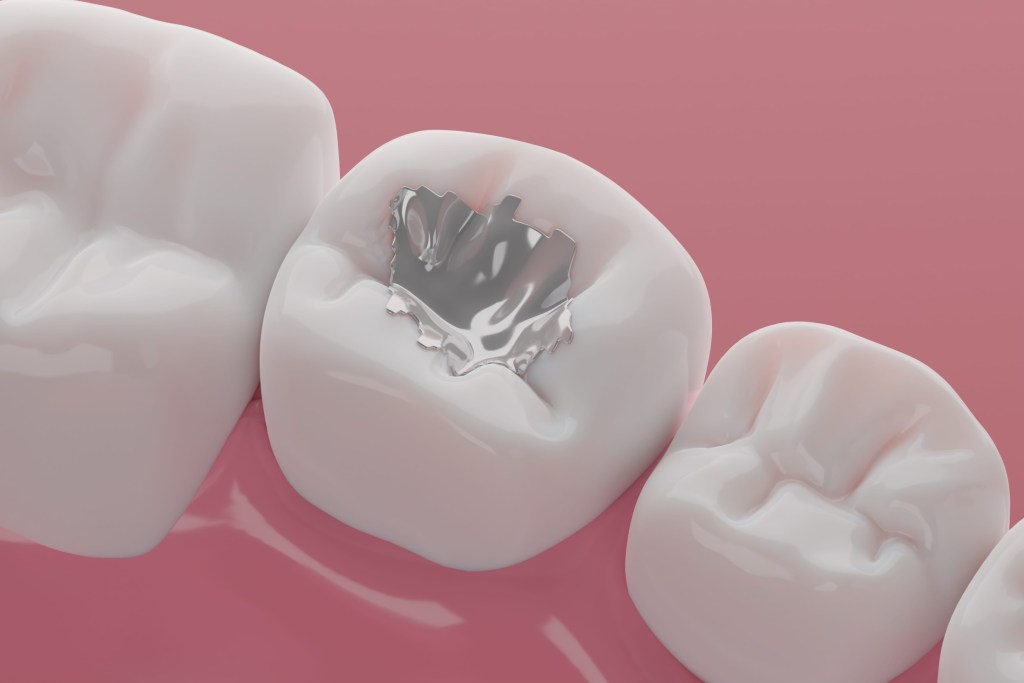
Dental amalgam fillings, often called silver fillings, are made from a mixture of metals and contain about 50% mercury, along with silver, tin, copper, and zinc. While many private dental practices have moved toward modern tooth-colored materials, amalgam continues to be used in some institutional and government-funded settings.
What Are Mercury Dental Fillings?
Mercury dental fillings are a type of dental amalgam restoration that has been used for decades to repair cavities. They became common because they were durable, relatively easy to place, and less expensive than many alternatives.
Although they are often called silver fillings, the material contains a significant amount of mercury. That is one reason why many patients today are surprised to learn they are still being used.
Why Are Mercury Fillings Still Used Today?
The main reason mercury fillings are still used is cost.
Amalgam fillings are often among the least expensive restorative options available, and some insurance plans or public healthcare programs may reimburse them more readily than composite or ceramic materials. In certain systems, they may still be presented as the default option.
As a result, patients in settings such as Medicaid-based care, prisons, military clinics, and other government-funded healthcare environments may have fewer choices when it comes to the materials used in their treatment.
Who Is Most Likely to Receive Amalgam Fillings?
This can create a gap in treatment options, especially for patients who rely on public healthcare systems.
In some cases, children, pregnant women, and low-income families may be more likely to receive mercury fillings simply because alternative materials are not covered in the same way. That means access to mercury-free dentistry is not always equal.
Understanding Mercury Exposure
Mercury is a known neurotoxin, which is why dental amalgam has remained a topic of concern for many patients and practitioners.
Amalgam fillings can release small amounts of mercury vapor over time, especially during chewing or teeth grinding. The long-term significance of this exposure remains debated. Some organizations maintain that dental amalgam is safe and durable, while others support reducing or eliminating its use because of potential health and environmental concerns.
For patients who value a more biocompatible or whole-body approach to care, this is an important conversation to have with their dentist.
Environmental Concerns Around Mercury Fillings
The concerns about mercury fillings are not limited to what happens in the mouth.
Mercury from dental materials can enter wastewater systems and contribute to environmental contamination. Over time, mercury can accumulate in ecosystems and fish populations, which is one of the reasons global efforts have increased to reduce its use across industries, including dentistry.
Dentistry Is Moving Toward Mercury-Free Materials
Worldwide, dentistry is gradually moving away from amalgam.
More than 150 countries have agreed to reduce mercury use through the Minamata Convention on Mercury, which includes plans to phase down dental amalgam over time. In the United States, some government healthcare programs are also beginning to shift away from mercury-based materials.
For example, the Indian Health Service has announced plans to eliminate mercury fillings in its system by 2027.
This reflects a broader movement toward dentistry that is more modern, more personalized, and more mindful of long-term health and environmental impact.
Mercury-Free Alternatives to Silver Fillings
Today, there are several effective alternatives to amalgam, including:
- Composite resin fillings
- Ceramic restorations
- Other biocompatible dental materials
These options are mercury-free, more natural-looking, and often allow for a more conservative approach because they bond directly to the tooth structure.
What This Means for Patients in Ellicott City, MD
Patients in Ellicott City, Columbia, and surrounding Maryland communities are increasingly looking for dental materials that support both oral health and overall wellness.
At the Julian Center for Comprehensive Dentistry, we focus on using biocompatible, mercury-free materials whenever possible and helping patients make informed decisions about their care.
We also offer a personalized approach to material selection through blood testing and/or ZYTO testing, helping determine which materials may be the best fit for each individual patient.
The Future of Dentistry Is Mercury-Free and Patient-Centered
The future of dentistry is moving toward care that is more personalized, more biocompatible, and more focused on long-term health.
While mercury fillings still exist today, patients should know they have options. Understanding why amalgam is still used—and what alternatives are available—can help you make more informed decisions about your dental care.
If you are interested in mercury-free dentistry or want to explore your options for replacing silver fillings, our team is here to help.
Key Takeaways
- Mercury dental fillings (amalgam) are still used today, primarily due to cost and insurance coverage
- These fillings contain about 50% mercury, leading to ongoing discussion around safety and exposure
- Some organizations consider amalgam safe, while others advocate reducing its use due to health and environmental concerns
- Patients in certain systems may have limited access to mercury-free alternatives
- Dentistry is shifting away from mercury, with global efforts supporting phase-down initiatives
- Modern alternatives like composite and ceramic fillings are widely available
- Patients can ask questions and choose materials that align with their health preferences
Frequently Asked Questions
Are mercury fillings still used in the U.S.?
Yes. Mercury fillings are still used in some healthcare settings in the United States, particularly where cost and insurance coverage influence which materials are offered.
Are silver fillings the same as mercury fillings?
Silver fillings usually refer to dental amalgam fillings, which contain a mixture of metals including about 50% mercury.
What are the alternatives to mercury fillings?
Common mercury-free alternatives include composite resin and ceramic restorations, which are more natural-looking and support a more conservative treatment approach.
Why do some dentists avoid mercury fillings?
Some dentists avoid mercury fillings due to concerns about mercury exposure, environmental impact, aesthetics, and a preference for more biocompatible materials.
Can patients ask for mercury-free filling materials?
Yes. Patients can ask their dentist about available materials and whether mercury-free options are appropriate for their situation.
Considering Mercury-Free Dentistry?
If you have old silver fillings or want to learn more about your options, the team at the Julian Center for Comprehensive Dentistry is here to help you make informed, personalized decisions about your care.
Ready to Schedule a Consultation?
Experience the difference of holistic dentistry with Dr. Sambataro at The Julian Center for Comprehensive Dentistry in Ellicott City, MD — where your oral health is treated as a vital part of your whole-body wellness. Our biocompatible, non-toxic approach supports your overall well-being while giving you a naturally beautiful smile.
Call us today or fill out our online form to schedule your appointment and take the first step toward a healthier you.