







The Julian Center for Comprehensive Dentistry
Are Root Canals Safe and What the IAOMT Review Means for Patients
Clinically reviewed by:
Eugene Sambataro, DDS, a holistic and biological dentist with more than four decades of clinical experience.
Root canal treatment is commonly recommended to preserve a damaged or infected tooth. However, a 2026 scientific review from the International Academy of Oral Medicine and Toxicology raises important concerns about what may remain after treatment, including persistent microbes and chronic inflammation around a root canal-treated tooth.
The review does not conclude that root canal-treated teeth directly cause systemic disease. At The Julian Center for Comprehensive Dentistry, our clinical position goes further: we do not promote root canal therapy because we believe a chronically infected, nonvital tooth can contribute to systemic health concerns. We recommend evaluating root canal-treated teeth individually with a clinical examination, appropriate imaging, and microbial testing rather than assuming that the absence of pain means the tooth is healthy.
Quick Answer: Can a Root Canal Affect Your Overall Health?
A root canal-treated tooth may continue to harbor pathological microbes and chronic inflammation even when it does not hurt. Research has identified associations between chronic apical periodontitis, a long-standing inflammatory condition around the tip of a tooth root caused by bacterial infection from dead or dying tooth pulp, and several systemic conditions, although it has not been established that root canals directly cause those diseases. The Julian Center believes this potential connection warrants careful evaluation, including microbial DNA testing, so patients can make informed decisions based on their oral health, overall health, and individual resiliency.
What Did the IAOMT Review Examine?
Released in April 2026, the IAOMT State of the Science on Root Canal Treated Teeth draws on more than 560 scientific references published over several decades. The review examines:
- Persistent infection and inflammation following root canal treatment
- Chronic apical periodontitis around root canal-treated teeth
- The limitations of conventional two-dimensional dental X-rays
- Possible associations between oral infection and systemic health
- Patient and procedural factors that may affect treatment outcomes
- Emerging diagnostic and treatment technologies
- Alternatives to root canal treatment
- How dentists and patients can decide whether to retain or remove a treated tooth
A central concern is that a root canal-treated tooth can appear symptom-free while infection or inflammation remains near the tip of its root or within parts of the root system that are difficult to disinfect completely.
What Is Apical Periodontitis?
Apical periodontitis is inflammation around the end of a tooth’s root. It is generally associated with bacteria or their byproducts entering the tissues surrounding the tooth.
The condition may cause discomfort, swelling, tenderness, drainage, or changes visible on dental imaging. In other cases, it may remain asymptomatic. A patient may therefore feel that the tooth is fine even when inflammation is still present.
The IAOMT review reports that post-treatment apical periodontitis is frequently identified in root canal-treated teeth and notes that conventional two-dimensional X-rays may not reveal every area of concern. Symptoms and a standard X-ray alone may therefore provide an incomplete picture.
The Julian Center’s Position on Root Canal Treatment
The Julian Center does not promote root canal therapy. Root canal treatment removes the living pulp from inside a tooth and attempts to clean, disinfect, and seal a complex microscopic canal system. In our view, the procedure cannot reliably eliminate every pathological microbe from all dentinal tubules, accessory canals, and other difficult-to-reach spaces.
For that reason, we do not describe a root canal-treated tooth as healthy. The tooth is nonvital, and its clinical impact may depend in part on the patient’s immune function, inflammatory burden, overall health, and biological resiliency. Some patients may remain free of noticeable symptoms for years, while others may develop local or broader health concerns. A lack of symptoms should not be treated as proof that the tooth is free of pathological microbes.
This is The Julian Center’s clinical perspective. The IAOMT review discusses associations between chronic apical periodontitis and systemic disease but stops short of concluding that root canal-treated teeth directly cause systemic illness.
Do Root Canals Cause Systemic Health Problems?
Current research does not prove that root canal-treated teeth directly cause heart disease, diabetes, autoimmune disorders, neurological conditions, or pregnancy complications. The IAOMT review does, however, identify associations between chronic apical periodontitis and several systemic conditions. An association means that two conditions have been observed together more frequently; it does not by itself establish that one caused the other.
Researchers have proposed several ways chronic oral infection may affect the rest of the body. Bacteria, bacterial byproducts, and inflammatory signals may enter circulation and add to the body’s inflammatory burden. The strength and clinical significance of these relationships continue to be studied.
At The Julian Center, we believe these findings should not be dismissed simply because direct causation has not yet been established. When a nonvital tooth may be chronically infected, we consider it appropriate to evaluate the tooth in the context of the patient’s total health rather than viewing it as an isolated dental issue.
Why Does The Julian Center Recommend Microbial DNA Testing?
The IAOMT review discusses diagnostic limitations but does not recommend microbial testing for every root canal-treated tooth. The Julian Center believes this leaves an important gap in the evaluation.
We recommend microbial DNA testing when evaluating root canal-treated teeth to help identify pathological microbes that may be present. This information can add another layer of evidence beyond symptoms and imaging. Test results should be interpreted together with the patient’s medical and dental history, clinical findings, imaging, immune status, and treatment goals. No single test should be used in isolation to diagnose a systemic condition or determine treatment.
Can a Root Canal Infection Exist Without Pain?
Yes. Infection or inflammation around a root canal-treated tooth may be present without pain. Patients should consider discussing an evaluation with a qualified dental professional if they have:
- A history of root canal treatment and new dental or health concerns
- Tenderness when chewing or touching the area
- Swelling, drainage, an unusual taste, or a pimple-like bump on the gum
- A tooth that feels different from the surrounding teeth
- An older root canal that has not been evaluated recently
- Concerns about the materials or procedures used during treatment
- Questions about alternatives to a proposed root canal
These signs do not establish that a root canal is causing a systemic problem. A comprehensive evaluation is needed to understand the condition of the tooth and the surrounding tissues.
How Are Root Canal-Treated Teeth Evaluated?
A biological evaluation looks beyond whether the tooth hurts. Depending on the patient’s needs, the assessment may include:
- A detailed dental and medical history
- Current symptoms, health concerns, and treatment priorities
- A clinical examination of the tooth and surrounding tissues
- Evaluation of the tooth’s structural condition and restorability
- Appropriate two-dimensional or three-dimensional imaging
- Microbial DNA testing for pathological microbes
- Review of materials used in previous dental treatment
- Discussion of the risks and benefits of monitoring, retreatment, or removal
- Biocompatible options for restoring or replacing the tooth
The purpose of this evaluation is to gather enough information to discuss the potential sources of inflammation and help the patient make an informed decision.
What Are the Alternatives to Root Canal Treatment?
When the inner tissue of a tooth is severely damaged or infected, conventional options may include root canal treatment or removal of the tooth. Because The Julian Center does not promote root canal therapy, we discuss extraction and the biological considerations involved when a tooth cannot be predictably restored without a root canal.
If extraction is selected, tooth-replacement options may include:
- A biocompatible ceramic dental implant
- A dental bridge
- A removable dental appliance
- In selected cases, leaving the space untreated
Extraction is an irreversible procedure and is not appropriate based on an online article alone. Each option has potential benefits, limitations, costs, and biological considerations. Patients should receive an individualized assessment before choosing treatment.
Should You Have an Existing Root Canal Evaluated?
The Julian Center recommends evaluating existing root canal-treated teeth, including teeth that are not painful. An evaluation may be especially important when a patient has unexplained health concerns, signs of local infection, an older root canal, or questions about whether a treated tooth may be contributing to inflammation.
Patients should not attempt to diagnose a root canal infection or systemic illness based on symptoms or online information alone. They should also not have a tooth removed without understanding the clinical findings, potential risks and benefits, and replacement options.
Root Canal Evaluations in Ellicott City, Maryland
At The Julian Center for Comprehensive Dentistry, Dr. Eugene Sambataro and Dr. Zachary Reicher take a biological, whole-body approach to dental care. Our team evaluates root canal-treated teeth within the context of each patient’s oral health, medical history, immune function, and individual concerns.
If you have a root canal-treated tooth, have been advised to undergo root canal treatment, or would like to discuss biological alternatives, we welcome your questions. Call The Julian Center for Comprehensive Dentistry at (410) 964-3118 or contact our Ellicott City office to schedule an appointment.
Key Takeaways
- A root canal-treated tooth may continue to harbor pathological microbes and chronic inflammation even when it does not hurt.
- The IAOMT review identifies associations between chronic apical periodontitis and systemic conditions but does not establish direct causation.
- The Julian Center does not promote root canal therapy and does not consider a root canal-treated tooth to be a healthy, vital tooth.
- A patient’s immune function, inflammatory burden, overall health, and resiliency may influence whether noticeable health problems develop.
- The Julian Center recommends microbial DNA testing as part of a comprehensive evaluation of root canal-treated teeth.
- Treatment decisions should be individualized and based on clinical findings, imaging, microbial testing, health history, and a clear discussion of risks, benefits, and alternatives.
Frequently Asked Questions
Does The Julian Center Recommend Root Canal Therapy?
No. The Julian Center does not promote root canal therapy. We believe a nonvital, root canal-treated tooth may remain a source of pathological microbes and chronic inflammation, and we discuss biological alternatives when treatment is needed.
Can a Root Canal-Treated Tooth Be Healthy?
The Julian Center does not consider a root canal-treated tooth to be a healthy, vital tooth. A patient may remain symptom-free because of individual immune function and resiliency, but the absence of symptoms does not confirm that the tooth is free of pathological microbes.
Can a Failed Root Canal Have No Symptoms?
Yes. Persistent infection or inflammation around a treated tooth may exist without pain or swelling. A clinical examination, appropriate imaging, and microbial testing can provide more information.
What Is Microbial DNA Testing?
Microbial DNA testing uses molecular methods to help identify microbes associated with oral infection. At The Julian Center, results are considered alongside the patient’s examination, imaging, health history, and other clinical findings rather than used as a stand-alone diagnosis.
Does Research Prove That Root Canals Cause Systemic Disease?
No. Research has found associations between chronic apical periodontitis and several systemic conditions, but association does not prove causation. The Julian Center believes the potential relationship is clinically important and should be considered during a whole-body evaluation.
What Should I Do if I Am Concerned About an Old Root Canal?
Schedule an examination with a qualified dental professional. Bring any previous records or images that are available and discuss your symptoms, medical history, concerns, and treatment preferences.
Where Can I Read the IAOMT Review?
The complete paper, including its methodology, conclusions, limitations, and references, is available from the International Academy of Oral Medicine and Toxicology.
Related Articles and Resources
- Tooth Extractions in Ellicott City, Maryland
- Zirconia Dental Implants in Ellicott City, Maryland
- Why Mercury Dental Fillings Still Exist — And Why It Matters
This article is intended for general educational purposes. It does not diagnose a dental or medical condition and is not a substitute for individualized dental or medical advice.
Why Mercury Dental Fillings Still Exist — And Why It Matters
TL;DR
Mercury dental fillings, also known as amalgam or silver fillings, are still used today mainly because they are low-cost and often covered by certain insurance plans and public healthcare systems. While some organizations continue to consider them safe, growing concerns about mercury exposure, environmental impact, and patient choice are driving a shift toward mercury-free alternatives like composite and ceramic fillings.
Quick Answer: Why Are Mercury Fillings Still Used?
Mercury fillings are still used primarily because they are one of the least expensive restorative materials and are often the default option covered by certain insurance plans or public healthcare systems. Even though mercury-free alternatives are widely available, not all patients are given the same access to those materials.
Many people assume mercury-based dental fillings disappeared years ago—but they are still used in certain parts of the healthcare system today.
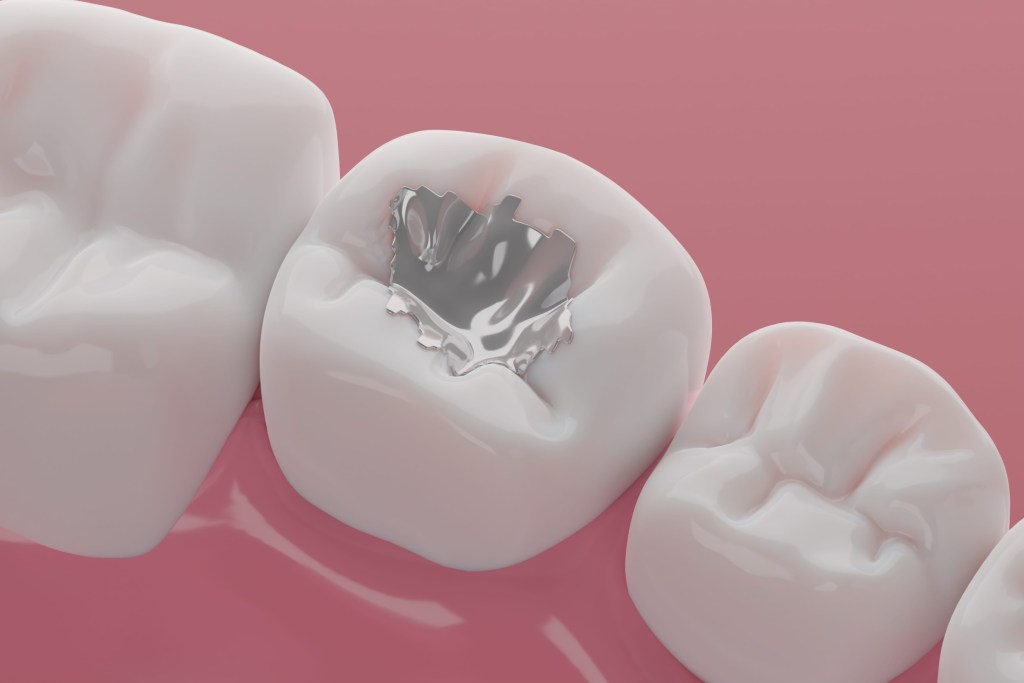
Dental amalgam fillings, often called silver fillings, are made from a mixture of metals and contain about 50% mercury, along with silver, tin, copper, and zinc. While many private dental practices have moved toward modern tooth-colored materials, amalgam continues to be used in some institutional and government-funded settings.
What Are Mercury Dental Fillings?
Mercury dental fillings are a type of dental amalgam restoration that has been used for decades to repair cavities. They became common because they were durable, relatively easy to place, and less expensive than many alternatives.
Although they are often called silver fillings, the material contains a significant amount of mercury. That is one reason why many patients today are surprised to learn they are still being used.
Why Are Mercury Fillings Still Used Today?
The main reason mercury fillings are still used is cost.
Amalgam fillings are often among the least expensive restorative options available, and some insurance plans or public healthcare programs may reimburse them more readily than composite or ceramic materials. In certain systems, they may still be presented as the default option.
As a result, patients in settings such as Medicaid-based care, prisons, military clinics, and other government-funded healthcare environments may have fewer choices when it comes to the materials used in their treatment.
Who Is Most Likely to Receive Amalgam Fillings?
This can create a gap in treatment options, especially for patients who rely on public healthcare systems.
In some cases, children, pregnant women, and low-income families may be more likely to receive mercury fillings simply because alternative materials are not covered in the same way. That means access to mercury-free dentistry is not always equal.
Understanding Mercury Exposure
Mercury is a known neurotoxin, which is why dental amalgam has remained a topic of concern for many patients and practitioners.
Amalgam fillings can release small amounts of mercury vapor over time, especially during chewing or teeth grinding. The long-term significance of this exposure remains debated. Some organizations maintain that dental amalgam is safe and durable, while others support reducing or eliminating its use because of potential health and environmental concerns.
For patients who value a more biocompatible or whole-body approach to care, this is an important conversation to have with their dentist.
Environmental Concerns Around Mercury Fillings
The concerns about mercury fillings are not limited to what happens in the mouth.
Mercury from dental materials can enter wastewater systems and contribute to environmental contamination. Over time, mercury can accumulate in ecosystems and fish populations, which is one of the reasons global efforts have increased to reduce its use across industries, including dentistry.
Dentistry Is Moving Toward Mercury-Free Materials
Worldwide, dentistry is gradually moving away from amalgam.
More than 150 countries have agreed to reduce mercury use through the Minamata Convention on Mercury, which includes plans to phase down dental amalgam over time. In the United States, some government healthcare programs are also beginning to shift away from mercury-based materials.
For example, the Indian Health Service has announced plans to eliminate mercury fillings in its system by 2027.
This reflects a broader movement toward dentistry that is more modern, more personalized, and more mindful of long-term health and environmental impact.
Mercury-Free Alternatives to Silver Fillings
Today, there are several effective alternatives to amalgam, including:
- Composite resin fillings
- Ceramic restorations
- Other biocompatible dental materials
These options are mercury-free, more natural-looking, and often allow for a more conservative approach because they bond directly to the tooth structure.
What This Means for Patients in Ellicott City, MD
Patients in Ellicott City, Columbia, and surrounding Maryland communities are increasingly looking for dental materials that support both oral health and overall wellness.
At the Julian Center for Comprehensive Dentistry, we focus on using biocompatible, mercury-free materials whenever possible and helping patients make informed decisions about their care.
We also offer a personalized approach to material selection through blood testing and/or ZYTO testing, helping determine which materials may be the best fit for each individual patient.
The Future of Dentistry Is Mercury-Free and Patient-Centered
The future of dentistry is moving toward care that is more personalized, more biocompatible, and more focused on long-term health.
While mercury fillings still exist today, patients should know they have options. Understanding why amalgam is still used—and what alternatives are available—can help you make more informed decisions about your dental care.
If you are interested in mercury-free dentistry or want to explore your options for replacing silver fillings, our team is here to help.
Key Takeaways
- Mercury dental fillings (amalgam) are still used today, primarily due to cost and insurance coverage
- These fillings contain about 50% mercury, leading to ongoing discussion around safety and exposure
- Some organizations consider amalgam safe, while others advocate reducing its use due to health and environmental concerns
- Patients in certain systems may have limited access to mercury-free alternatives
- Dentistry is shifting away from mercury, with global efforts supporting phase-down initiatives
- Modern alternatives like composite and ceramic fillings are widely available
- Patients can ask questions and choose materials that align with their health preferences
Frequently Asked Questions
Are mercury fillings still used in the U.S.?
Yes. Mercury fillings are still used in some healthcare settings in the United States, particularly where cost and insurance coverage influence which materials are offered.
Are silver fillings the same as mercury fillings?
Silver fillings usually refer to dental amalgam fillings, which contain a mixture of metals including about 50% mercury.
What are the alternatives to mercury fillings?
Common mercury-free alternatives include composite resin and ceramic restorations, which are more natural-looking and support a more conservative treatment approach.
Why do some dentists avoid mercury fillings?
Some dentists avoid mercury fillings due to concerns about mercury exposure, environmental impact, aesthetics, and a preference for more biocompatible materials.
Can patients ask for mercury-free filling materials?
Yes. Patients can ask their dentist about available materials and whether mercury-free options are appropriate for their situation.
Considering Mercury-Free Dentistry?
If you have old silver fillings or want to learn more about your options, the team at the Julian Center for Comprehensive Dentistry is here to help you make informed, personalized decisions about your care.
Ready to Schedule a Consultation?
Experience the difference of holistic dentistry with Dr. Sambataro at The Julian Center for Comprehensive Dentistry in Ellicott City, MD — where your oral health is treated as a vital part of your whole-body wellness. Our biocompatible, non-toxic approach supports your overall well-being while giving you a naturally beautiful smile.
Call us today or fill out our online form to schedule your appointment and take the first step toward a healthier you.
Related Articles:
The Hidden Winter Deficiency That’s Wrecking Your Oral Health
By Dr. Gene Sambataro, DDS, FAGD
Every year around early November something predictable—but often overlooked—happens across the Northern Hemisphere. The angle of the sun drops low enough that our bodies can no longer produce adequate vitamin D from sunlight exposure, unless you live below the 37th parallel. You can quickly find this information based on where you live with a quick google search.
After more than 40 years in dentistry, I’ve noticed how this seasonal shift can worsen periodontal health in my patients. I see more bleeding, deeper pockets, and greater inflammation.
The research even confirms this with a 2023 meta-analysis which revealed that people with periodontitis have significantly lower vitamin D levels than those with healthy gums. Even more striking, women with vitamin D levels below 10 ng/mL had a 5.6-fold higher risk of developing periodontitis.
But there’s more to the story…
The Calcium Paradox
Early in my career, I was taught that calcium and vitamin D were the cornerstones of bone and tooth health.
Years later, I came across research that turned that entire understanding upside down.
Here’s the reality:
- Vitamin D3 loads calcium into your bloodstream.
- But without vitamin K2, that calcium has no guidance system.
It drifts through your body, depositing in arteries, kidneys, or joints—anywhere except your bones and teeth.
Vitamin K2 is the “traffic controller.” It activates proteins like osteocalcin, which tell calcium exactly where to go—into your bones and teeth—while keeping it out of soft tissues.
So, you can take all the calcium and vitamin D you want, but without K2, you may actually be doing more harm than good.
Whole-Body Connection
Low vitamin D and periodontal disease don’t just affect your smile—they’re linked to type 2 diabetes, cardiovascular disease, and systemic inflammation throughout the body.
Your bleeding gums are an early warning sign. The same inflammatory processes that destroy bone around your teeth are often happening elsewhere in your body.
The Winter Protocol I Recommend for Patients:
- Vitamin D3: 5,000–10,000 IU daily (I prefer a formula that includes both D3 and K2)
- Vitamin K2 (MK-7): 200–300 mcg daily
- Magnesium: 400–600 mg daily (to support proper absorption and function)
Always take these with a meal that includes healthy fats for optimal absorption.
And please—start with testing. You want your vitamin D levels between 50–70 ng/mL. Studies show that supplementing with vitamin D as part of periodontal therapy significantly improves outcomes, but you need to know your baseline first.
The Brain-Mouth Connection
Here’s a short article from Mark A. Breiner DDS,
that mirrors the focus of this website:
The Brain-Mouth Connection
What happens in Las Vegas stays in Las Vegas! Unfortunately, what happens in your mouth doesn’t stay in your mouth. There are systemic implications. In this article, I will limit the discussion just to the effect on one’s brain.
1-The so-called silver fillings are approximately 50% mercury. This Mercury comes off the fillings as a vapor, its most dangerous form. Mercury goes to every cell, bypassing the blood-brain barrier going directly into your brain. Remember the Mad Hatter from Alice in Wonderland? Mercury was used in making felt hats in the 19th century, and many workers developed neurological symptoms, thus the term “mad as a hatter.” Mercury is a highly potent neurological poison, and the fact that mercury fillings are still used, I feel, is criminal. A word of caution: if you want to remove your Mercury fillings, make sure it is done by someone who knows how to do it safely and correctly.
2- The CDC estimates that about 47% of adults 30 years and older have some form of periodontal disease, and for people 65 years old and up, the percentage is approximately 70%. A large number of studies have shown that if a person has periodontal disease they are at higher risk of heart disease, respiratory illness, stroke, dementia, and Alzheimer’s disease. This is why good home care is critical and why we take a plaque sample from under the gums and look at it under the microscope. Things are not always as they seem; sometimes the gums can appear healthy, but the plaque sample shows otherwise. Large numbers of bacteria, especially of the wrong variety, may be evident, thus alerting us to potential problems. I’ll never forget a patient who could no longer run his business because of his mental incapacity. His daughter was now running the company and brought him in for examination. He presented with severe periodontal disease. With a whole-body approach that addressed the unhealthy situation in his mouth, his cognitive ability was restored, and he resumed control of his business.
3-Fluoride is a toxic poison. Fluoride should not be added to our drinking water. This is mass drugging without any scientific justification. How do you justify giving the same dose of any drug to an infant as to a 200-pound man? Supposedly, this drug is given to reduce tooth decay; however, it has never been shown that fluoride in drinking water has that effect! However, it does have other effects, one of them being lowering a person’s IQ. Hundreds of studies give testament to this. If it has this effect on the mind, what else can it do? If one looks into the homeopathic Materia Medica, which shows the symptoms related to fluoride, mentally, there is indifference to one’s spouse and children as well as depression and sadness. Adding fluoride to the drinking water is not suitable for people, but it’s good for drug companies. The Fluoride Action Network is in a lawsuit with the EPA concerning fluoride and its effects by placing it in our water supplies. It is amazing how our government, which supposedly works for us, will do everything it can to block getting the truth out!
4-Electrical currents in the mouth can affect the brain. When you place different metals in the mouth, you create a battery. Mercury fillings are 50% mercury; the other half is copper, tin, zinc, and silver. Now, place titanium implants and crowns made of various metals such as gold and nickel into the mouth with mercury fillings, and you have a sea of electrical currents. Sometimes, these currents are enough to interfere with brain activity. After removing their mercury fillings, patients often comment that things look brighter, their mood is better, and they can think more clearly.
5-Root canals can have many adverse systemic effects, one of which is on the nervous system. A root canal is a chronically infected dead tooth that contains potent toxins that can affect any susceptible organ or tissue. Studies conducted over 25 years by Dr. Weston Price showed that root canals affected the nervous system. Among the effects were paralysis and interference in mental activity.
6-Every tooth is on an acupuncture meridian and relates to different organs and tissues. Thus, a problem with a tooth can have adverse consequences on the organs, tissues, vertebrae and muscles associated with its meridian. For example, the upper wisdom tooth relates to the pituitary gland. If this tooth is impacted, it may negatively affect the pituitary gland, causing hormonal problems and thus affecting one’s mood.
This short article helps you see how intimately the mouth is related to proper brain function. The above topics would each need a lengthy article to fully explore their effect on the brain and all the other relationships to one’s health.
The information presented is for educational purposes only. You should consult a qualified dentist or health practitioner for diagnosis and treatment.
© 2024 Mark A. Breiner DDS
The Damaging Impact of Sleep Apnea on Daily Life
Sleep apnea is a common sleep disorder that can have a significant impact on your life. If left untreated, it can lead to serious consequences for both your physical and mental health. Sleep apnea disrupts your normal breathing patterns during sleep, causing frequent pauses in breathing and fragmented rest. This results in poor-quality sleep and constant sleep interruptions.
There are two main types of sleep apnea: central sleep apnea (CSA) and obstructive sleep apnea (OSA). CSA occurs when the brain fails to send signals to the muscles responsible for controlling breathing. On the other hand, OSA happens when the airway becomes partially or completely blocked during sleep due to relaxed throat muscles or a collapsed soft palate.
If you suspect you may have sleep apnea, it’s essential to consult with a sleep specialist or a dentist who specializes in sleep medicine. They can diagnose your condition and recommend appropriate treatments such as continuous positive airway pressure (CPAP) therapy or a dental appliance.
In the following sections, we will delve deeper into the symptoms of sleep apnea, its potential causes, available treatment options, and how addressing this condition can significantly improve your quality of life.
Uncontrolled Sleep Apnea Dangers and Hidden Risks
Increased Risk of High Blood Pressure and Heart Disease
Sleep apnea, if left undiagnosed and untreated, can have serious consequences for one’s health. One of the major risks associated with uncontrolled sleep apnea is an increased likelihood of developing high blood pressure and heart disease. Repeated interruptions in breathing during sleep can cause a spike in blood pressure levels, putting strain on the cardiovascular system. Over time, this can lead to chronic hypertension and increase the risk of heart attacks, strokes, and other cardiovascular complications.
Prone to Accidents Due to Daytime Drowsiness
Another hidden danger of untreated sleep apnea is the impact it has on daytime functioning. People with uncontrolled sleep apnea often experience excessive daytime drowsiness due to poor-quality sleep at night. This constant fatigue can significantly impair their cognitive abilities and reaction times, making them more prone to accidents while driving or operating machinery. Falling asleep at the wheel is a particularly dangerous consequence that puts not only the individual but also others on the road at risk.
Damage to Vital Organs from Lack of Oxygen
Sleep apnea disrupts normal breathing patterns during sleep, causing brief pauses in breathing multiple times throughout the night. These pauses result in decreased oxygen levels in the body, which can have detrimental effects on vital organs such as the brain, heart, and kidneys. The lack of oxygen during these episodes places additional stress on these organs and may contribute to long-term damage.
The brain relies heavily on oxygen for optimal functioning. Prolonged periods without sufficient oxygen supply can lead to cognitive impairments such as memory problems, difficulty concentrating, and even an increased risk of developing dementia later in life.
Similarly, inadequate oxygenation due to uncontrolled sleep apnea puts a strain on the heart. The heart has to work harder to compensate for low oxygen levels during episodes of interrupted breathing, which can lead to the development or worsening of heart conditions such as arrhythmias, congestive heart failure, and coronary artery disease.
The kidneys are also affected by sleep apnea-related oxygen deprivation. The reduced oxygen supply can impair kidney function and increase the risk of developing kidney problems over time.
Devastating Effects of Sleep Apnea on Daily Life
Sleep apnea can have a profound impact on people’s lives, affecting various aspects of their daily functioning. From cognitive abilities to relationships and productivity, the consequences of untreated sleep apnea can be devastating.
Negative Impact on Cognitive Function, Memory, and Concentration
One of the most significant effects of sleep apnea is its detrimental impact on cognitive function. When individuals suffer from interrupted sleep due to breathing difficulties during the night, it can lead to daytime fatigue and impaired mental performance. This can manifest in difficulties with memory recall, reduced attention span, and decreased ability to concentrate on tasks.
Imagine trying to focus during an important meeting or struggling to remember crucial information for a test when your brain feels foggy and fatigued. These challenges make it harder for individuals with sleep apnea to perform at their best academically or professionally.
Strained Relationships Due to Irritability and Mood Swings
Sleep apnea doesn’t just affect individuals; it can also take a toll on their relationships. The chronic sleep deprivation caused by untreated sleep apnea often leads to irritability and mood swings. Imagine waking up multiple times throughout the night due to breathing interruptions – it’s bound to leave anyone feeling grumpy!
These mood changes can strain relationships with partners, family members, friends, and even colleagues. Constant irritability and mood swings may lead others around them to feel frustrated or confused about sudden shifts in behavior.
Decreased Productivity at Work or School
Daytime fatigue resulting from sleep apnea can significantly hinder productivity at work or school. When individuals don’t get enough restful sleep due to frequent awakenings caused by breathing difficulties, they wake up feeling exhausted instead of refreshed.
This exhaustion makes it challenging for them to stay alert and focused throughout the day. Productivity levels may decline as concentration wanes, leading to slower progress on tasks or assignments. In the workplace, this can affect job performance and potentially hinder career advancement opportunities.
Day-to-day Impact: Focus, Mood, and Irritability
Sleep Deprivation and Impaired Focus
Untreated sleep apnea can have a significant impact on an individual’s ability to focus and maintain attention throughout the day. The constant interruptions in breathing during sleep lead to frequent awakenings, resulting in fragmented and poor-quality sleep. As a result, individuals with untreated sleep apnea often suffer from sleep deprivation.
Sleep deprivation affects cognitive function, including attention span, concentration, and memory. Imagine trying to stay focused on a task or absorb new information when you’re running on empty! It’s like trying to drive a car without any fuel in the tank – you simply can’t perform at your best.
Mood Disturbances: Depression and Anxiety
One of the lesser-known effects of untreated sleep apnea is its impact on mood. Many individuals with unmanaged sleep apnea experience mood swings, depression, and anxiety. The disrupted sleep patterns caused by the condition can lead to chemical imbalances in the brain that contribute to these emotional disturbances.
Depression is characterized by feelings of sadness, hopelessness, and a loss of interest in activities once enjoyed. Anxiety manifests as excessive worrying, restlessness, irritability, and difficulty concentrating. These mood disturbances can significantly affect one’s overall quality of life and relationships.
Constant Irritability
Irritability is another common symptom experienced by individuals struggling with untreated sleep apnea. When you’re constantly exhausted due to interrupted sleep throughout the night, it’s natural for your patience threshold to decrease during the day. Small annoyances that wouldn’t typically bother you may suddenly become major sources of frustration.
Imagine feeling like a ticking time bomb ready to explode at any moment – that’s how irritability can make someone feel! It not only impacts personal relationships but also affects productivity at work or school.
The Vicious Cycle: Sleep Apnea and Its Effects
It’s important to recognize that sleep apnea and its effects create a vicious cycle. The symptoms of sleep apnea, such as headaches, daytime fatigue, and difficulty concentrating, can lead to decreased performance at work or school. This can result in increased stress levels and further exacerbate mood disturbances.
Moreover, untreated sleep apnea is associated with other health conditions such as diabetes, obesity, and cardiovascular disease. These comorbidities can further impact one’s mood and overall well-being.
Sleep Apnea’s Impact on Cardiovascular Risk and Metabolism
Untreated sleep apnea can have a significant impact on cardiovascular health and metabolic processes. Let’s explore how this condition can increase the risk of developing or worsening cardiovascular conditions, as well as disrupt normal metabolic function.
Increased Risk of Cardiovascular Conditions
Sleep apnea has been linked to an increased risk of various cardiovascular diseases, including hypertension (high blood pressure), stroke, and heart disease. When you have sleep apnea, your breathing repeatedly stops and starts throughout the night, leading to intermittent drops in oxygen levels. This puts added stress on your cardiovascular system, causing blood pressure to rise and potentially damaging blood vessels.
- Hypertension: Untreated sleep apnea can contribute to the development of hypertension or make existing high blood pressure worse. The frequent interruptions in breathing during sleep trigger a release of stress hormones that raise blood pressure levels.
- Stroke: Studies have shown that individuals with untreated sleep apnea are at a higher risk of experiencing strokes. The intermittent drops in oxygen levels associated with sleep apnea can lead to the formation of blood clots or cause damage to blood vessels in the brain.
- Heart Disease: Sleep apnea is also associated with an increased risk of developing heart disease. The strain placed on the heart due to repeated episodes of interrupted breathing can lead to an enlarged heart, irregular heart rhythms, and even heart failure.
Disruption of Metabolic Processes
In addition to its impact on cardiovascular health, sleep apnea can also disrupt normal metabolic processes within the body. This disruption may contribute to weight gain and insulin resistance.
- Weight Gain: Sleep deprivation caused by sleep apnea affects hormones involved in appetite regulation. It increases ghrelin levels (the hunger hormone) while reducing leptin levels (the hormone responsible for feeling full). As a result, individuals with untreated sleep apnea may experience increased cravings for high-calorie foods and have difficulty maintaining a healthy weight.
- Insulin Resistance: Sleep apnea has been associated with insulin resistance, a condition in which the body’s cells become less responsive to the effects of insulin. This can lead to elevated blood sugar levels and an increased risk of developing type 2 diabetes.
Importance of Effective Treatment
The good news is that effective treatment for sleep apnea can help reduce the risk of cardiovascular problems and improve metabolic health.
- Reduced Cardiovascular Risk: By ensuring proper airflow throughout the night, a dental appliance or other dental interventions can help maintain oxygen levels and reduce stress on the cardiovascular system. This lowers the risk of hypertension, stroke, heart disease, and other related conditions.
- Improved Metabolic Health: Treating sleep apnea can also contribute to improved metabolic health. By improving sleep quality and reducing daytime fatigue, individuals are more likely to engage in physical activity and make healthier food choices. This can aid in weight management and reduce the risk of insulin resistance.
Constant Daytime Sleepiness and the Importance of Treatment
Excessive daytime sleepiness is a common symptom experienced by individuals with untreated sleep apnea. This persistent feeling of sleepiness throughout the day can have a significant impact on one’s quality of life.
Excessive Daytime Sleepiness: A Hallmark Symptom
One of the hallmark symptoms of sleep apnea is excessive daytime sleepiness. People with this condition often struggle to stay awake during the day, regardless of how much they slept the night before. They may find themselves dozing off at work, while driving, or even during social activities. This constant fatigue can make it difficult to concentrate, impairing their ability to perform well in school or at work.
The Impact on Quality of Life
The consequences of untreated sleep apnea go beyond just feeling tired during the day. It can lead to a range of physical and mental health issues that significantly affect an individual’s overall well-being. However, seeking treatment for this condition can greatly improve alertness during the day, enhancing one’s quality of life.
Preventing Accidents and Enhancing Safety
Sleep apnea poses serious risks. Excessively sleepy individuals are more prone to making mistakes and poor decisions that could lead to accidents at home or in their workplace. Moreover, falling asleep while driving due to untreated sleep apnea can be extremely dangerous not only for themselves but also for others on the road.
Importance of Seeking Medical or Dental Intervention
Recognizing the signs and symptoms of sleep apnea is crucial for early intervention and treatment. Consulting a healthcare professional who specializes in sleep disorders is essential for proper diagnosis and effective management strategies.
Long-term Quality of Life Improvement with Treatment
Treating sleep apnea goes beyond just alleviating the symptoms; it can have a profound impact on improving the overall quality of life in the long term. Through various treatment options, individuals can experience significant improvements in their physical and mental well-being, allowing them to engage in activities they enjoy and lead a more fulfilling life.
Improved Symptoms and Quality of Life
One of the primary benefits of treating sleep apnea is the improvement in symptoms related to obstructive sleep apnea, such as snoring and gasping for breath during the night. Dental appliances, for instance, can help keep the airway open and prevent interruptions in breathing. This leads to better sleep quality and reduced daytime fatigue.
- Dental appliances can significantly reduce snoring and gasping episodes during sleep.
- With improved breathing patterns at night, individuals feel more rested and energized during the day.
- Restful sleep obtained through treatment positively impacts mood, energy levels, and cognitive function.
Enhanced Physical Well-being
Sleep apnea can take a toll on physical health due to chronic oxygen deprivation. By effectively treating this condition, individuals can experience notable improvements in their overall physical well-being.
- Treatment initiation often results in weight loss for many patients.
- Treating sleep apnea reduces the risk of developing cardiovascular diseases.
Mental Health Benefits
The impact of treating sleep apnea extends beyond physical health; it also positively affects mental well-being. The restorative effects of proper sleep play a crucial role in maintaining good mental health.
- Adequate sleep obtained through treatment can reduce symptoms associated with depression and anxiety.
- Treating sleep apnea may decrease reliance on antidepressant medication use.
- Improved cognitive function allows individuals to think clearly and enhances their ability to concentrate.
Increased Engagement in Daily Activities
When sleep apnea symptoms are effectively managed, individuals can actively participate in their daily activities without feeling constantly fatigued or restricted by their condition.
- Treatment allows individuals to engage in physical exercise and recreational activities.
- Improved sleep quality enables better performance at work or school.
- Individuals can enjoy social interactions without the fear of falling asleep or being irritable due to lack of restful sleep.
The overall impact of sleep apnea
Sleep apnea can have a profound impact on people’s lives, affecting their physical health, mental well-being, and overall quality of life. The consequences of uncontrolled sleep apnea can be dangerous and often go unnoticed until they become severe. From the devastating effects on daily life to the long-term risks it poses to cardiovascular health and metabolism, sleep apnea is a condition that should not be taken lightly.
If you or someone you know is struggling with sleep apnea, it’s crucial to seek treatment as soon as possible. Don’t let this condition continue to rob you of restful nights and productive days. By addressing sleep apnea head-on, you can significantly improve your focus, mood, energy levels, and overall quality of life.
The Silent Threat: How Sleep Apnea Affects Your Health
Introduction:
Sleep apnea is a prevalent but often undiagnosed sleep disorder that can have severe repercussions on your overall health. Let’s explore the ways sleep apnea can affect not only the brain but also other vital organs. By understanding the potential dangers of this condition, we can raise awareness among those who suffer from it as well as the public.
What is Sleep Apnea?
Sleep apnea is a sleep disorder characterized by interruptions in breathing or shallow breaths during sleep. These interruptions, which can last from a few seconds to several minutes, can occur multiple times throughout the night. There are two main types of sleep apnea: obstructive sleep apnea (OSA) and central sleep apnea (CSA). OSA is caused by a blockage in the airway, while CSA is caused by the brain’s inability to send proper signals to the muscles that control breathing.
The Impact on the Brain
Episodes of sleep apnea deprive the brain and other vital organs of oxygen, leading to a range of potential consequences. Oxygen deprivation can have a detrimental effect on the brain’s cognitive function, memory, and mood regulation. Multiple studies have shown that individuals with untreated sleep apnea are at a higher risk of developing cognitive impairments, such as memory loss and difficulty concentrating. Research has also discovered brain damage in individuals suffering from untreated sleep apnea.
Effects on the Vital Organs
The effects of sleep apnea extend far beyond the brain and can affect other vital organs. Oxygen deprivation places an immense strain on the cardiovascular system, increasing the risk of developing high blood pressure, heart disease, and stroke. Studies have also shown a connection between sleep apnea and metabolic disorders, such as insulin resistance and type 2 diabetes. Untreated sleep apnea untreated can also lead to liver problems and an increased risk of developing certain types of cancer.
The Silent Killer: Indirect Risks and Death
If left untreated, sleep apnea can have severe consequences, including indirect risks and even death. Chronic oxygen deprivation places an enormous burden on the body, making individuals more susceptible to life-threatening conditions. Sleep apnea has been associated with an increased risk of heart failure, arrhythmias, and sudden cardiac death. In addition, the combination of oxygen deprivation and other health complications can lead to a higher mortality rate among individuals with untreated sleep apnea.
Conclusion:
We should not dismiss sleep apnea as a mere sleep disorder that disrupts a good night’s rest. It has far-reaching effects, affecting not only the brain but also vital organs. Oxygen deprivation caused by sleep apnea can contribute to various health problems, increase the risk of developing diseases, and indirectly lead to death, or may result in an acute episode of a heart attack if left untreated. Recognizing the potential dangers of sleep apnea is crucial for early detection, proper diagnosis, and effective management of this silent threat. By raising awareness about sleep apnea, we can ensure that individuals seek timely treatment and take steps to safeguard their overall health and well-being.
Exploring Effective Treatment Options for Obstructive Sleep Apnea (OSA)
Millions of people are struggling with OSA, a disorder where your breathing is intermittently obstructed during sleep.
Sleep Apnea is a serious medical condition. It is identified by interrupted breathing during sleep, creating sleep disruption and increased health problems. Fortunately, there are various effective treatments.
Continuous Positive Airway Pressure (CPAP) has become a popular treatment option. It entails wearing a mask that dispenses pressurized air into the mouth and nose while asleep to facilitate regular breathing during slumber.
Fortunately, there are dental treatments available for managing this disorder including mandibular advancement devices (MADs), oral appliances, and 3D expansion techniques. These treatments concentrate on opening up blocked respiratory paths. Surgery is another option for those with extremely acute cases where alternative means have been unsuccessful. However, there are potential consequences to surgery, such as pain after the operation along with bleeding.
For a more complete description, go to
https://juliancenterforsleep.com/understanding-obstructive-sleep-apnea/
RANTES, Jawbone Cavitations, and Chronic Disease
The following three videos are reports by Dr. Lechner’s patients that were treated for jawbone cavitations and the amazing effects they witnessed as a result of this treatment.
Dr. Lechner is an outstanding dentist and scientist in Germany. He has over 40 years of experience. He found that chronic diseases like rheumatism, ALS, cancer, and others often start in the jaw.
There is a connection that has been discovered between RANTES (Regulated upon Activation, Normal T Cell Expressed and Presumably Secreted) and these various chronic diseases.
RANTES is a pro-inflammatory cytokine that attracts cells of the immune system from the blood vessels to sites of inflammation.
New research confirms that cavitations (jawbone infections) produce RANTES that can impact heart disease, cancers, autoimmune, and other inflammatory diseases.
Finding RANTES and getting RANTES out of the body has the potential to treat and resolve many chronic diseases. Dentists of the 21st century are moving from being precision mechanics to being true doctors. The reason is that by taking a clean history, you can tell if RANTES – produced by jawbone cavitations – is the triggering force of chronic disease. The scientific publications on RANTES and chronic disease are overwhelming. Yet, most medical professionals do not look for it and do not treat these fatty degenerative infections in the jawbone marrow.
Video 1 – Trigeminal Neuralgia
Video of the wife of a patient treated for trigeminal neuralgia (Intermittent or chronic facial pain) caused by chronic inflammatory areas (cavitations) in the jawbone.
Video 2 – Parkinson’s Disease
Video of a Patient with Parkinson’s disease caused by chronic inflammatory areas (cavitations) in the jawbone.
Video 3 – Trigeminal Neuralgia
Video of a patient treated for trigeminal neuralgia (Intermittent or chronic facial pain) caused by chronic inflammatory areas (cavitations) in the jawbone.
Understanding Obstructive Sleep Apnea
Obstructive sleep apnea (OSA) is a common sleep disorder that affects millions of individuals worldwide. Recurrent episodes of partial or complete blockage of the upper airway characterize this condition during sleep, leading to disruptions in breathing and oxygen flow. OSA can have significant implications for an individual’s health and quality of life if left untreated.
Sleep specialists play a crucial role in diagnosing and managing OSA. They employ various diagnostic tools, such as home sleep apnea testing, to assess the severity of the condition and determine appropriate treatment strategies. One widely used therapy for OSA is continuous positive airway pressure (CPAP), which involves wearing a mask during sleep to deliver pressurized air, keeping the airway open.
In addition to CPAP therapy, your dentist may recommend other treatment options like oral appliance therapy for certain individuals with mild-to-moderate OSA. These appliances help maintain an open airway by repositioning the jaw or tongue.
This blog post will delve into the intricacies of obstructive sleep apnea, exploring its causes, symptoms, diagnosis methods, and available treatment options. By understanding this condition better, individuals suffering from OSA can seek appropriate medical attention and improve their overall well-being.
Symptoms and Causes of Obstructive Sleep Apnea
Obstructive sleep apnea is a common sleep disorder that affects millions of people worldwide. Repeated pauses in breathing during sleep characterize OSA, which can lead to a range of symptoms and potential health risks. Understanding the symptoms and causes of obstructive sleep apnea is crucial for early detection and effective management.
Symptoms
Identifying the symptoms of obstructive sleep apnea is essential for seeking appropriate medical attention. Some common signs include:
- Loud snoring: One of the most noticeable indications of obstructive sleep apnea is loud and persistent snoring.
- Daytime fatigue: Individuals with this condition often experience excessive daytime sleepiness, which can negatively impact their daily activities.
- Morning headaches: Frequent morning headaches may be an indication that interrupted breathing during the night disrupted oxygen levels.
- Difficulty concentrating: Cognitive impairment, such as difficulty concentrating or memory problems, can be associated with obstructive sleep apnea.
- Mood changes: Individuals with untreated obstructive sleep apnea frequently report irritability, depression, and mood swings.
Risk Factors
Several risk factors contribute to the development of obstructive sleep apnea:
- Excess weight: Obesity increases the likelihood of developing this condition as it contributes to airway obstruction during sleep.
- Age: The risk increases with age, as older adults tend to have decreased muscle tone in their throat area.
- Gender: Men are more likely than women to develop obstructive sleep apnea; however, women’s risk increases after menopause.
- Family history: Having family members who suffer from this disorder may increase an individual’s susceptibility.
- Smoking and alcohol consumption: These habits can worsen existing symptoms or trigger episodes due to relaxation of throat muscles.
Causes
Understanding the underlying causes of obstructive sleep apnea is crucial for effective treatment. The primary cause is the relaxation of throat muscles during sleep, leading to airway blockage. This can occur due to:
- Anatomical factors: Certain physical characteristics, such as a narrow throat or enlarged tonsils, can contribute to airway obstruction.
- Neurological conditions: Individuals with neurological disorders, such as stroke or Parkinson’s disease, are at an increased risk.
- Hormonal changes: Hormonal imbalances, particularly in women during menopause, can influence muscle tone and increase the likelihood of developing this condition.
- Sleep position: Sleeping on your back may exacerbate symptoms by causing the tongue and soft tissues to collapse into the airway.
Effects
If left untreated, obstructive sleep apnea can have significant effects on both physical and mental health.
- Cardiovascular problems: The repeated interruptions in breathing strain the heart and increase the risk of high blood pressure, heart disease, and stroke.
- Daytime impairment: Chronic fatigue resulting from poor sleep quality can impair cognitive function and increase the risk of accidents at work or while driving.
- Metabolic disturbances: Research has linked obstructive sleep apnea to insulin resistance, obesity, and an increased risk of developing type 2 diabetes.
Dangerous Complications of Obstructive Sleep Apnea
Obstructive sleep apnea is a severe condition that can lead to dangerous complications, particularly in relation to cardiovascular health. People with this sleep disorder are at a higher risk of developing heart disease and experiencing adverse events such as heart failure and myocardial infarction. Let’s delve into the various risks and factors associated with obstructive sleep apnea that contribute to these life-threatening complications.
Increased Risk of Cardiovascular Events
Obstructive sleep apnea is a significant risk factor for cardiovascular disease. Studies have shown that individuals with this condition are more likely to experience cardiovascular events such as coronary artery disease, coronary syndrome, and even cardiovascular mortality. The repeated episodes of interrupted breathing during sleep place excessive stress on the heart, leading to an increased likelihood of cardiac complications.
Excessive Daytime Sleepiness and Heart Disease
One of the prominent symptoms of obstructive sleep apnea is excessive daytime sleepiness. This persistent drowsiness can have detrimental effects on overall health, especially. The constant lack of quality rest due to interrupted breathing patterns places strain on the cardiovascular system, potentially leading to the development or worsening of existing heart conditions.
Mortality Risk Factors
The presence of obstructive sleep apnea significantly increases the risk of mortality from various causes. Several studies have indicated that untreated or severe cases of this condition can contribute to premature death. Untreated or severe cases of sleep apnea can contribute to premature death, with a particular emphasis on cardiovascular-related mortality, underscoring the need for early detection and intervention.
Impact on Myocardial Infarction
Myocardial infarction, commonly known as a heart attack, is a serious consequence associated with obstructive sleep apnea. The intermittent cessation of breathing during sleep leads to oxygen deprivation in vital organs like the heart. This lack of oxygen supply can trigger myocardial infarctions or worsen existing heart conditions, posing a grave threat to the individual’s health.
Addressing the Risk Factors
To mitigate the dangerous complications of obstructive sleep apnea, it is crucial to address the underlying risk factors. Lifestyle modifications and medical interventions can significantly reduce the risks associated with this condition. Here are some strategies that can help:
- Continuous Positive Airway Pressure (CPAP) therapy: This treatment involves wearing a mask during sleep that delivers pressurized air, keeping the airways open and preventing interruptions in breathing.
- Weight management: Obesity is a common risk factor for obstructive sleep apnea. Losing weight through healthy eating habits and regular exercise can alleviate symptoms and reduce cardiovascular risks.
- Avoiding alcohol and sedatives: These substances relax the throat muscles, exacerbating breathing difficulties during sleep. Limiting their consumption can improve overall sleep quality.
- Positional therapy: Sleeping on one’s side instead of the back can help prevent airway blockages, reducing the severity of obstructive sleep apnea.
FAQs
What are the common risk factors for obstructive sleep apnea?
Obstructive sleep apnea is more prevalent among individuals who are overweight. Other risk factors include having a large neck circumference, being male (although women can also develop the condition), being older in age, smoking tobacco products, and having a family history of sleep apnea.
Can children have obstructive sleep apnea?
Obstructive sleep apnea can also affect children. Enlarged tonsils or adenoids blocking the airway during sleep often cause OSA. Symptoms may include snoring loudly or frequently waking up during the night.
Are there any lifestyle changes that can alleviate symptoms of obstructive sleep apnea?
Making certain lifestyle modifications may help reduce symptoms of obstructive sleep apnea. These include maintaining a healthy weight through regular exercise and a balanced diet, avoiding alcohol and sedatives before bedtime as they relax throat muscles, further contributing to airway obstruction during sleep.
How long does it take to see improvements during treatment?
The time it takes to see improvements with obstructive sleep apnea treatment varies from person to person. Some individuals may experience immediate relief, while others may require a few weeks or even months of consistent treatment before noticing significant improvements in their symptoms.
Can untreated obstructive sleep apnea lead to serious health problems?
Yes, untreated obstructive sleep apnea can lead to various serious health problems. It increases the risk of developing high blood pressure, heart disease, stroke, diabetes, and other medical conditions. Seeking appropriate treatment is crucial for managing these risks and improving overall health and well-being.
Conclusion: Understanding
In conclusion, understanding obstructive sleep apnea is crucial for identifying its symptoms, causes, and potential complications. By recognizing signs such as loud snoring, daytime fatigue, and morning headaches, individuals can seek appropriate treatment to improve their quality of life. Obstructive sleep apnea can lead to dangerous complications like high blood pressure, heart disease, and stroke if left untreated. Therefore, it is essential to explore various treatment options available, including positive airway pressure (PAP) machines and dental appliances or oral devices.
To ensure a better understanding of obstructive sleep apnea and its management options, it is advisable to consult with a qualified dentist or other medical professionals specializing in sleep disorders. They can provide personalized guidance based on individual needs and circumstances. Staying informed about the latest research findings and advancements in the field can help individuals make well-informed decisions regarding their health.
[/et_pb_text][/et_pb_column][/et_pb_row][/et_pb_section]
The Impact of Sleep Apnea on Restorative Sleep and Brain Cleansing
Sleep is essential for our overall health and well-being. It allows our bodies to rest, recharge, and repair. However, for individuals with sleep apnea, constant disruptions of sleep can have a significant impact on the quality of restorative sleep they receive. In this blog post, we will explore the relationship between sleep apnea, restorative sleep, and the body’s ability to cleanse the brain.
Understanding Restorative Sleep
Restorative sleep refers to the deep and uninterrupted sleep that is crucial for the body’s rejuvenation This happens mostly during deep sleep and, to a lesser degree, during REM sleep. During this stage, tissues are repaired, energy is restored, and memories are consolidated. It is during restorative sleep that the body can recharge itself and prepare for the following day.
The Role of Sleep Apnea
Sleep apnea is a sleep disorder characterized by pauses in breathing or shallow breaths during sleep. These interruptions can occur multiple times throughout the night, leading to fragmented sleep patterns. As a result, individuals with sleep apnea often experience a reduced amount of restorative sleep.
Impact on Brain Cleansing
One of the vital functions of sleep is the brain’s ability to cleanse itself. During restorative sleep, the glymphatic system, a waste-clearance system in the brain, becomes more active. This system helps remove toxins and waste products that accumulate throughout the day. However, sleep apnea disrupts this process, hindering the brain’s ability to effectively cleanse itself.
Consequences of Sleep Apnea
The constant disruptions of sleep caused by sleep apnea can have various consequences. Individuals may experience daytime sleepiness, difficulty concentrating, mood disturbances, and an increased risk of accidents. Moreover, the accumulation of toxins in the brain due to insufficient cleansing can potentially contribute to long-term cognitive decline.
Conclusion:
In conclusion, sleep apnea can significantly impact the amount of restorative sleep an individual receives and hinder the body’s ability to effectively cleanse the brain. It is essential for individuals experiencing symptoms of sleep apnea to seek medical attention and explore treatment options. By addressing sleep apnea, one can improve the quality of their sleep, enhance brain health, and ultimately, promote overall well-being.